
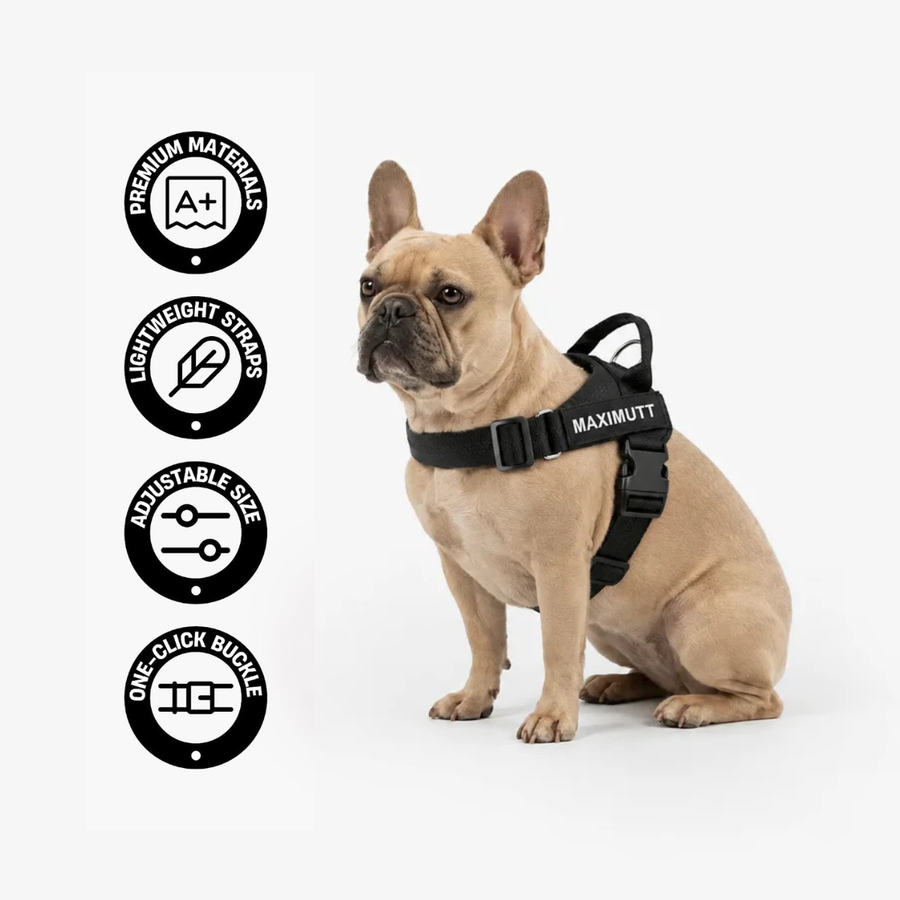
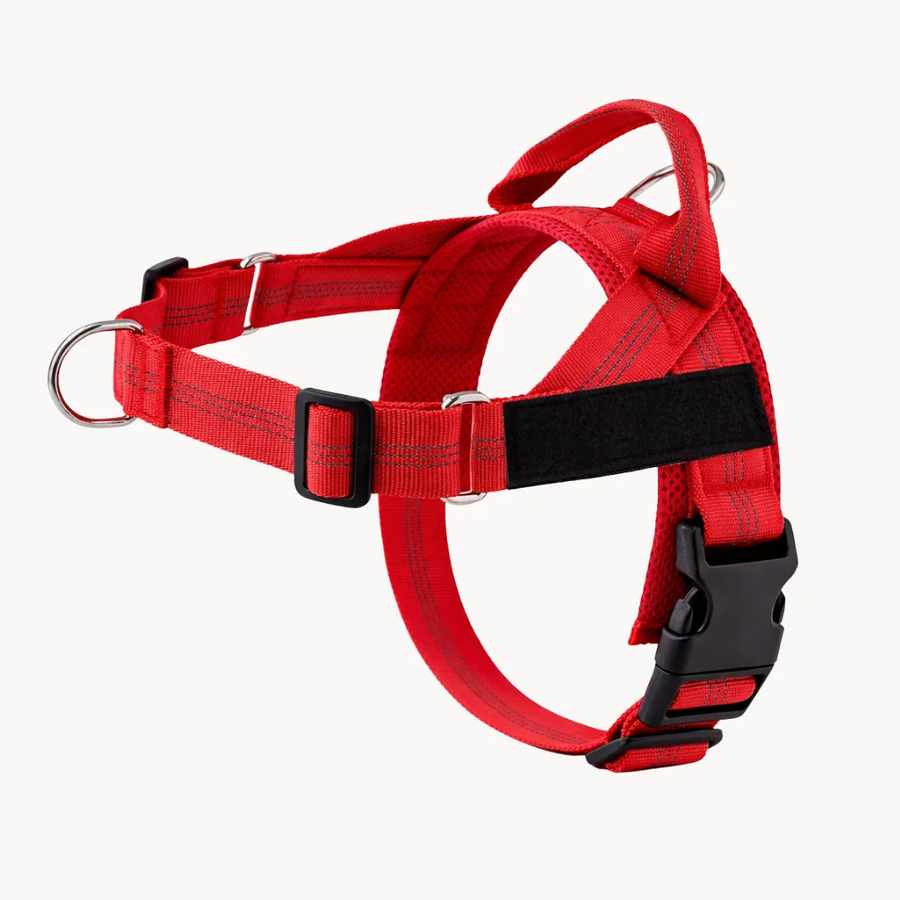
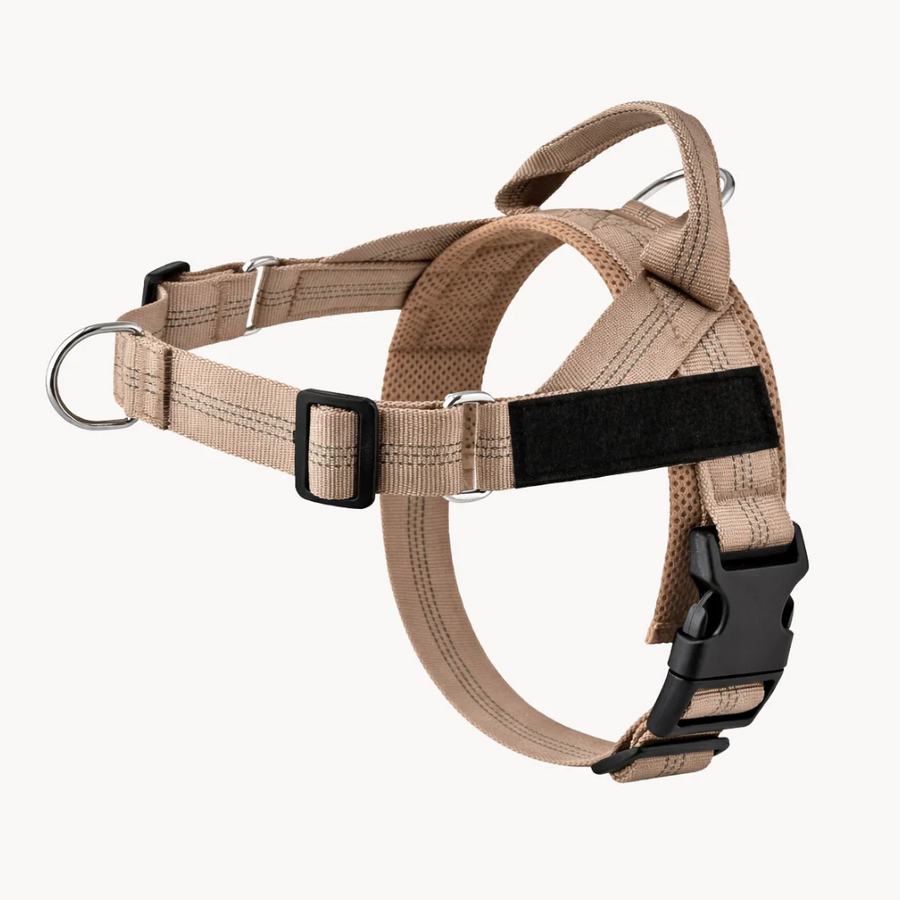
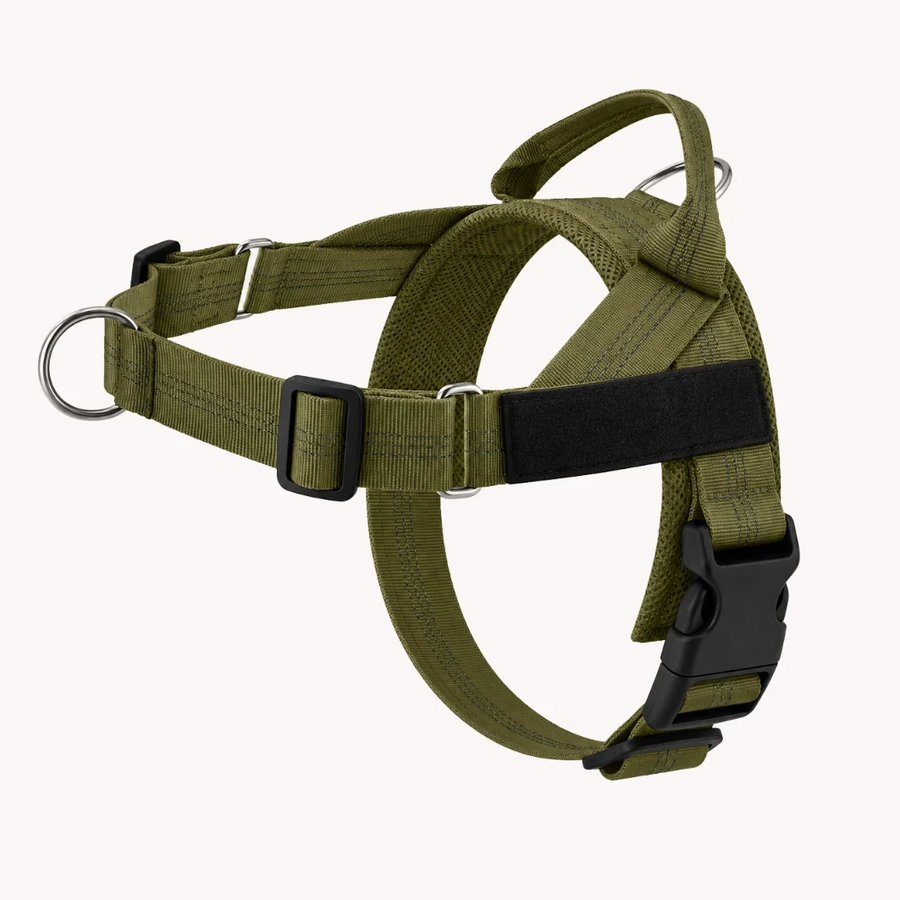
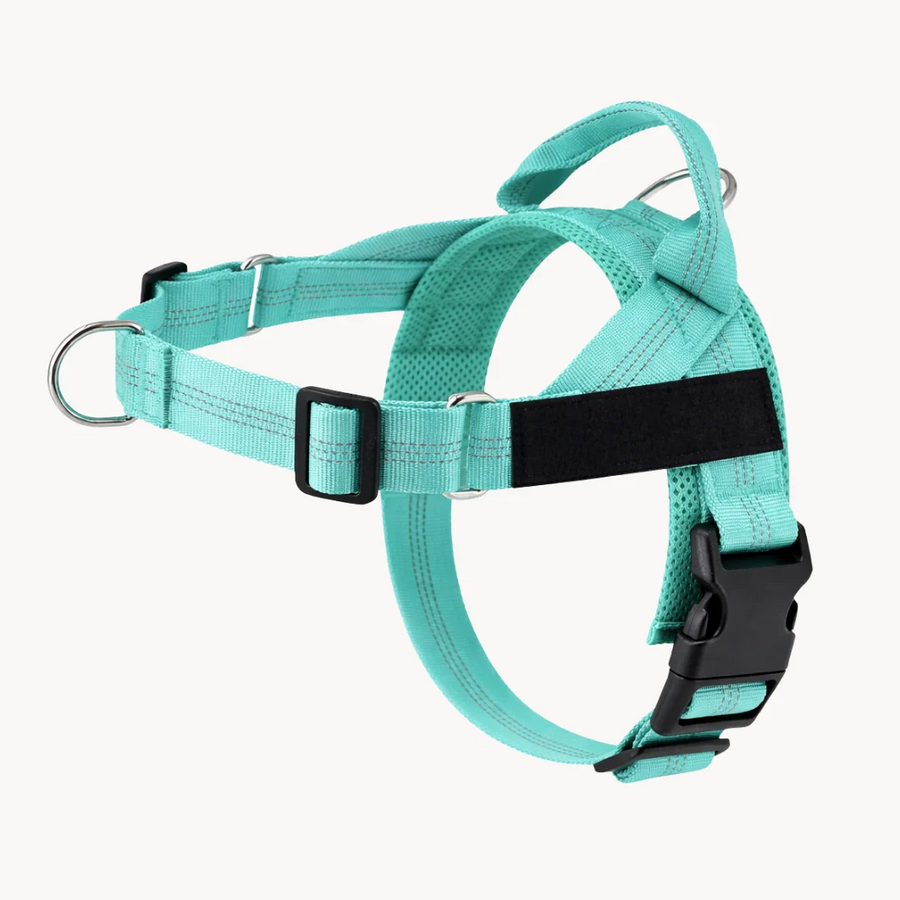
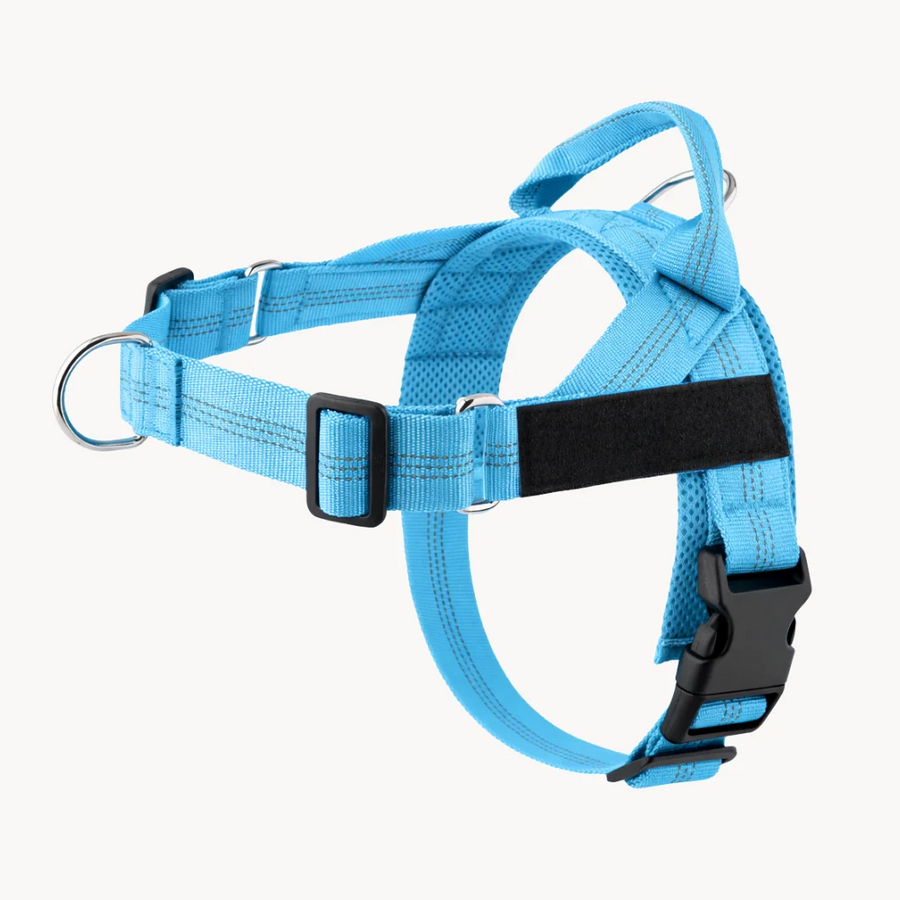
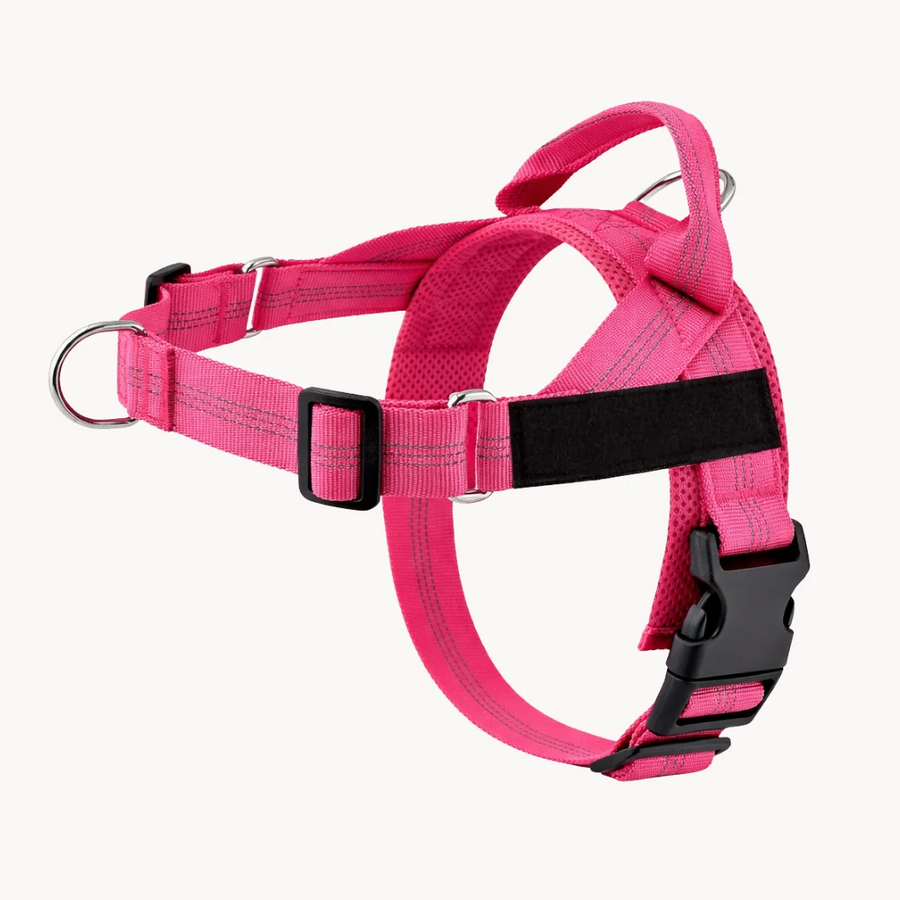


Maximutt® No Pull Dog Harness
Instantly Stop Leash Pulling Even If Your Dog Never Listens!

I was skeptical because I have tried all sorts of "solutions" to the crazy walks and insane pulling. The first walk with this was a learning curve for both me and the dog. Now, it is like I got a new dog! He is a pleasure to walk with. ★★★★★ - John W.B.
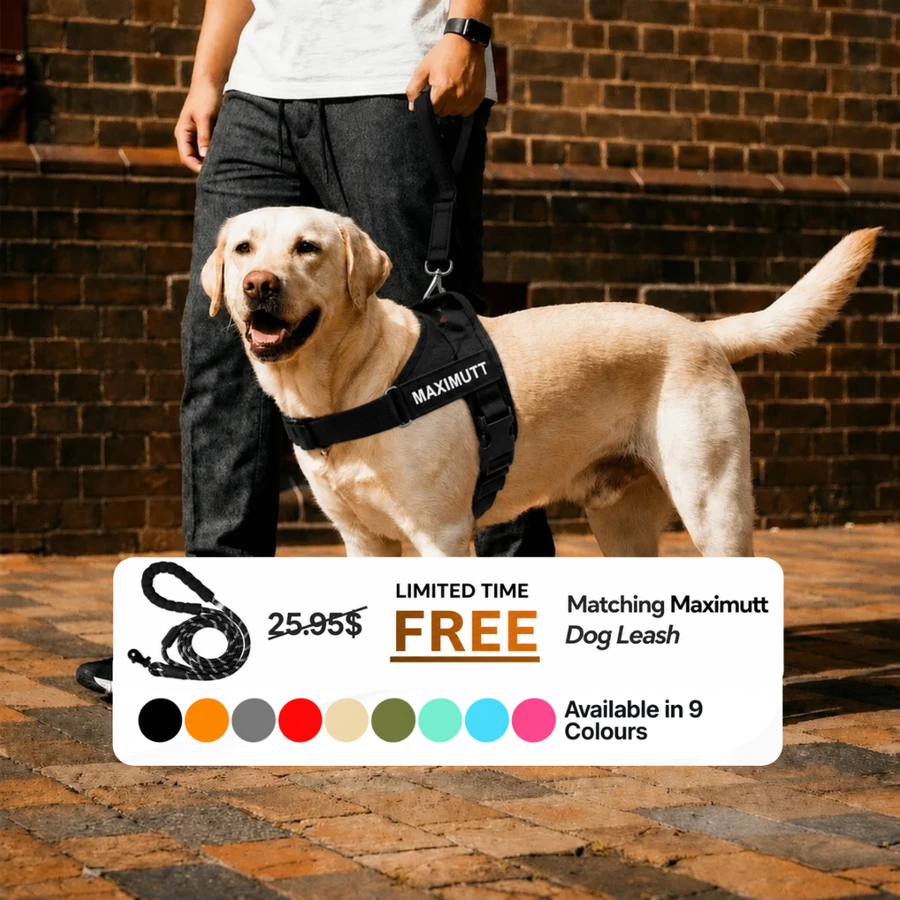
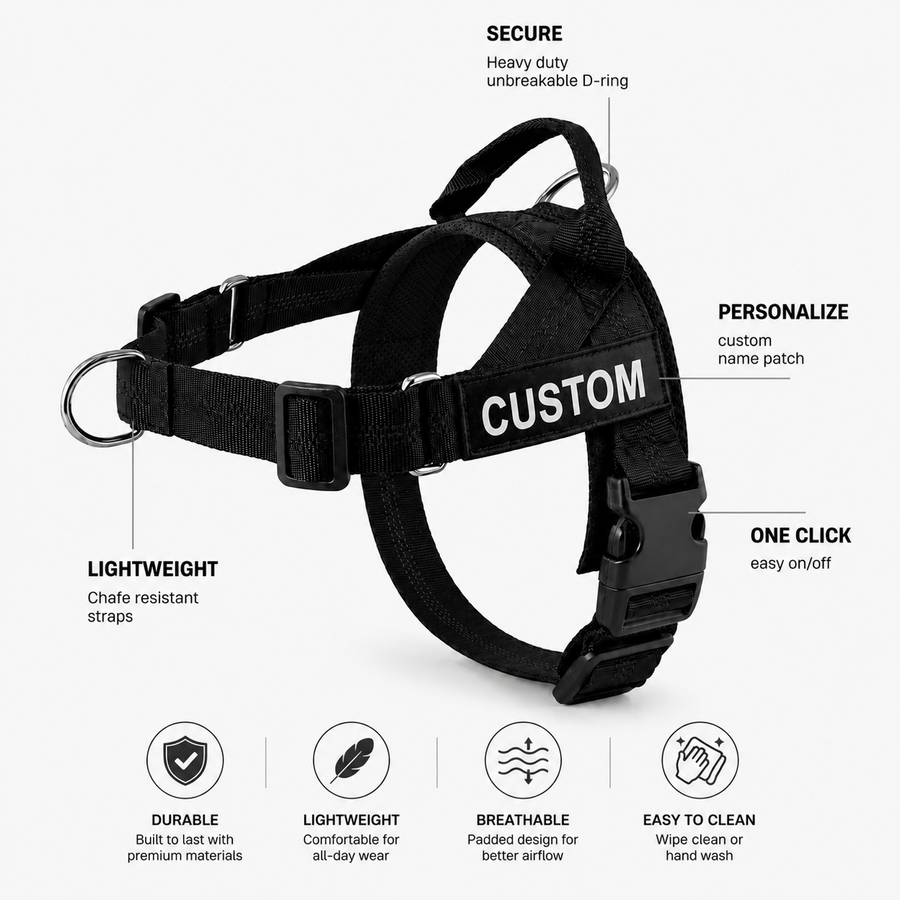
Transform your walks into peaceful, stress-free adventures with our two attachment No Pull Harness for dogs.
- Redirects the pull from the chest, so even a strong dog turns back to you instead of dragging you
- Most owners feel the difference on the very first walk
- Fits every breed, from a 10 lb Jack Russell to a 130 lb Mastiff


This product sold out 12 times last year. We encourage you to take advantage of the limited sale and buy now.
Maximutt Harness is ONLY available here, do not buy fakes on Amazon/eBay.
99-Day Money Back Guarantee
Got questions? Contact us at: hello@maximutt.com
Shipping & Returns
All orders are processed by our super careful fulfillment team within 24 business hours. Delivery times range from 2–7 days depending on your location.
Returns are easy. Simply contact us at hello@maximutt.com and we’ll handle everything.
Our Mission
When you choose Maximutt, you’re not just buying – you’re helping shelter dogs stay healthy while they wait for families who will love them.
Every 90 seconds, a dog loses its life in a shelter. Together, we can change that.
.webp?v=11250081922241493521788615144)
| SIZE | CHEST | BREED |
|---|---|---|
| XS | 45–53 cm | Cavoodle Dachshund Puppy Maltese Small Cavoodle Shi Tzu Yorkshire Terrier |
| S | 53–61 cm | Corgi French Bulldog Pug Puppy Bulldog Puppy Staffy |
| M | 62–75 cm | Beagle English Staffy Larger French Bulldog Smaller sized Bulldogs Standard Poodle |
| L | 67–85 cm | American Staffy Boxer British Bulldog Cattle Dog Golden Retriever Greyhound Kelpie Pocket Bully Samoyed |
| XL | 79–103 cm | Aussie Bulldog Chow Chow Dalmatian German Shepherd Great Dane Husky Labrador Mastiff Pocket Bully Rottweiler |
If your dogs chest is between two sizes and is a narrow dog, smaller size is recommended. If they are a wider dog, the larger size is recommended. When selecting the right size, please allow 1–2cm for a comfortable fit.
As seen on sponsored content
Endorsed by Top Canine Behaviorists
"I've tested dozens of 'no-pull' gimmicks that restrict movement. This is different due to the physics. It sits perfectly on the skeletal structure, not impeding natural gait while making pulling physically ineffective. For clients with strong breeds, the relief of finally feeling safe walking their dog is visible"

You've Already Bought Three No-Pull Harnesses. Here Is Why Every One Of Them Failed.
You clicked because you have heard this promise before. Two, three, maybe five times. You have a drawer with the evidence in it. Front-clip harnesses that "do nothing", back-clip harnesses your dog dragged you down the street in, and a growing certainty that this is just another cheap front clip with a bigger price tag. Fair.
So let us skip the part where we tell you to believe us. Instead, let us tell you exactly why the last ones failed. If the reason does not ring true, close the tab. You have lost nothing.
STOP THE PULLING 👉
If this is you, keep reading.
The Real Reason Your Dog Pulls
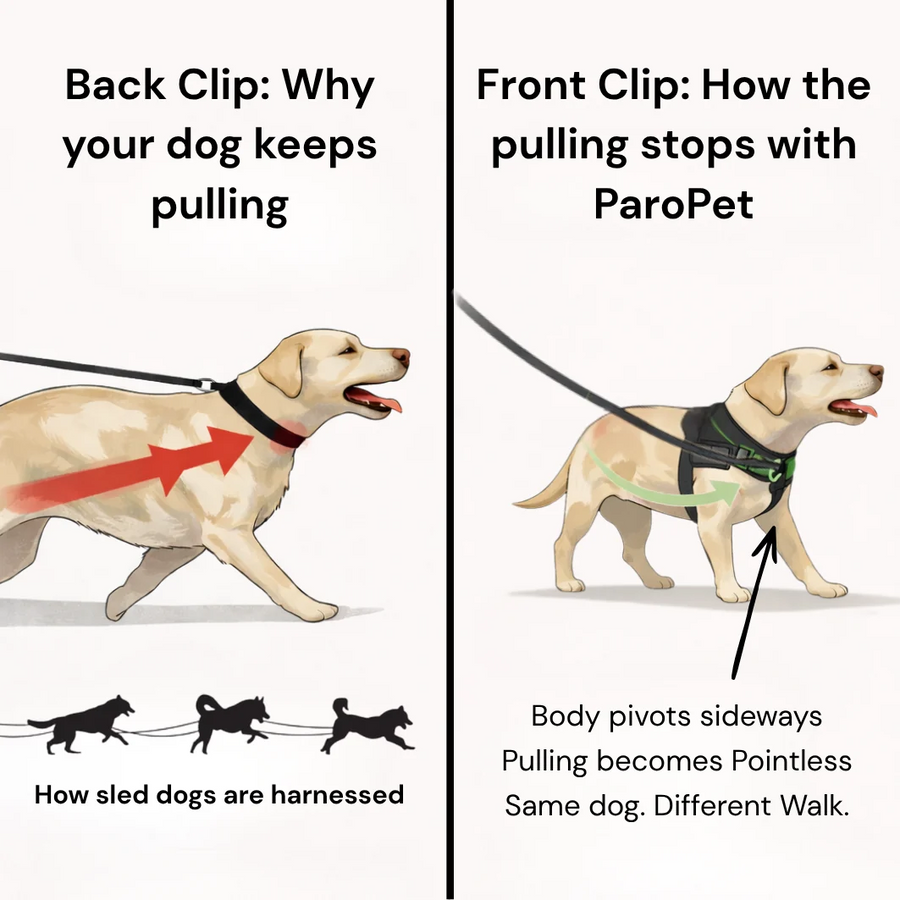
Start with the back-clip harness, the kind most dogs come home in. The leash attaches behind the dog, over the shoulders. When your dog feels tension pulling back on their chest, it triggers something called the opposition reflex. It is an instinct, not a behavior problem. It is the exact same wiring that lets a sled dog lean into a harness and haul a loaded sled across snow all day.
A back-clip harness is a sled-pulling harness. Read that again. When you brace and hold the leash, you are not correcting the pull. You are giving your dog something to pull against. The harder you hold, the harder they pull.
STOP THE PULLING 👉
Clip it behind them and you are asking them to pull.
Why The Front Clips You Tried Still Did Nothing
So you got smart and bought a front clip. The idea is right. Move the connection to the chest and a pull turns the dog back toward you instead of letting them power forward. And to be fair, plenty of them even use a metal ring. It still did nothing.
Here is the part nobody told you. A front clip only steers from one place: the center of the chest. On most harnesses the clip rides on a thin strap, and the moment your dog lunges, the strap sags, the harness rotates, and the clip ends up low or off to the side, near the shoulder or under the armpit. Off-center, the geometry is gone. A pull no longer turns your dog. It just stretches the harness. Your old front clip did not fail because front clips are a gimmick. It failed because nothing held the clip where the steering happens.
STOP THE PULLING 👉
A clip only steers from the center. Most do not stay there.
The One Thing We Changed
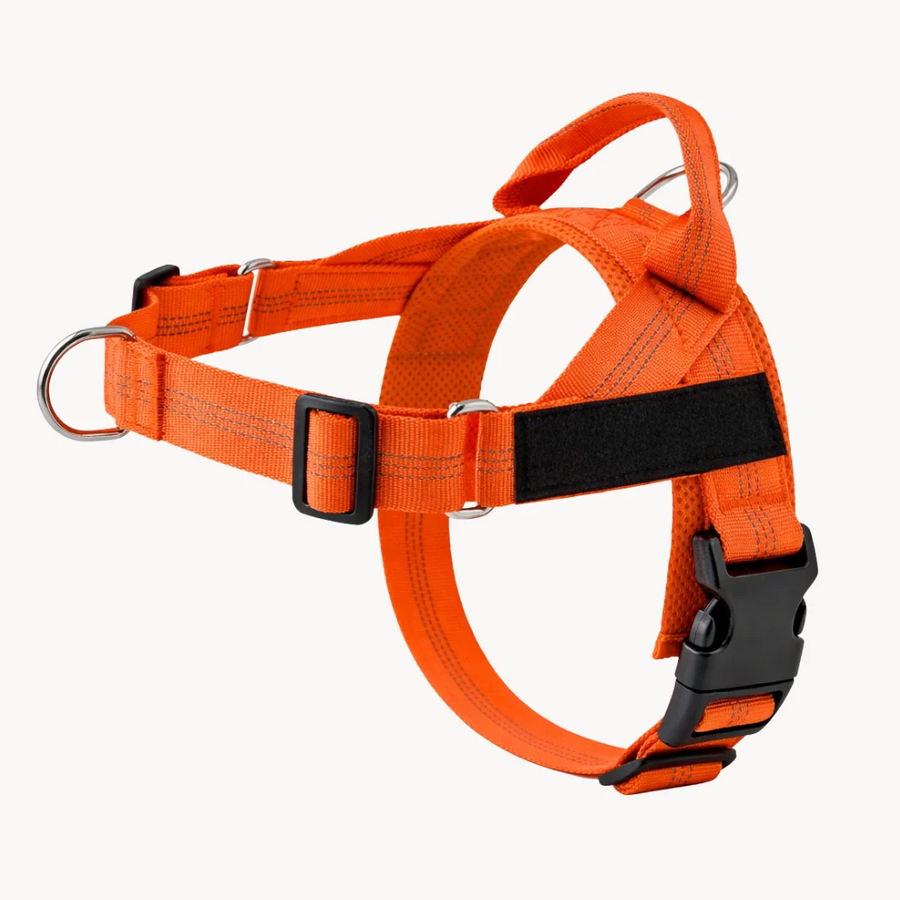
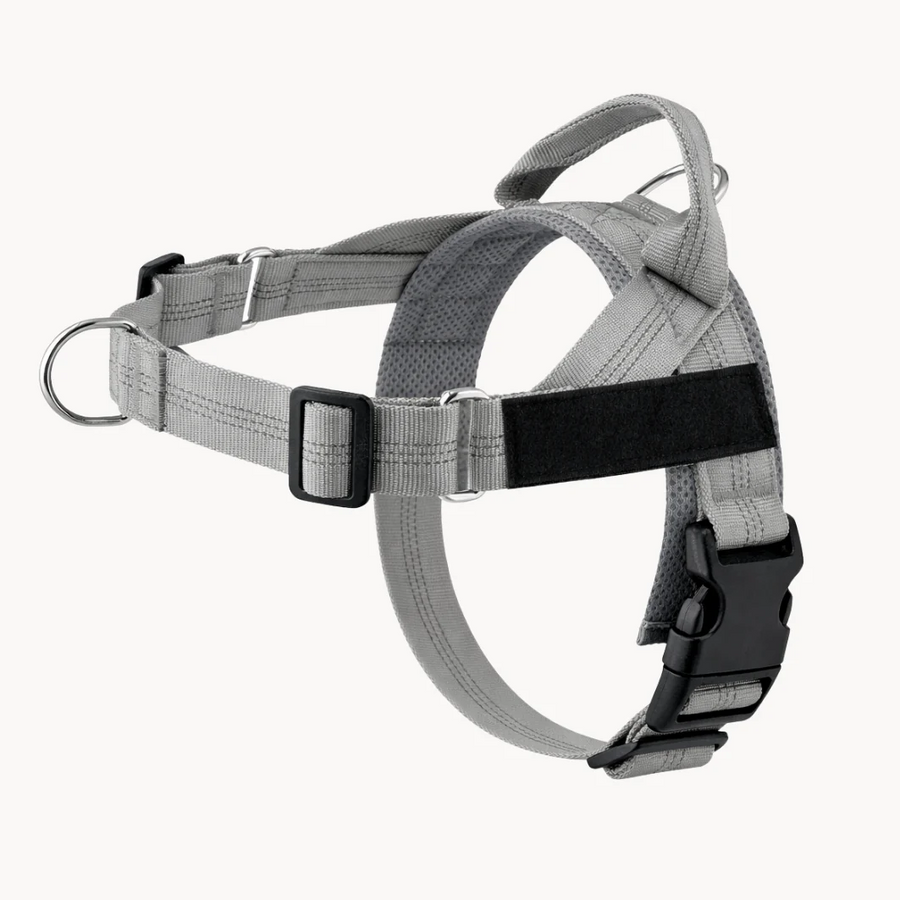
The MaxPro anchors its metal front ring into a Y-shaped chest piece, not a loose strap. The Y holds its shape under load, keeping the ring sitting square at the center no matter how hard your dog lunges.
Because the steering point holds its position, it keeps doing its job the entire walk. When your dog lunges, the leverage gently turns them back toward you instead of past you. No shock, no batteries, no prong, no magic. Just an attachment point that stays where the steering works.
STOP THE PULLING 👉
Fit it snug and centered, and most dogs turn back to you on walk one.
The Honest Part
We will tell you how this fails, because it does fail two ways. One, the wrong size, too loose and the ring drifts off-center just like the cheap ones. Two, you clip in without checking the ring is snug and sitting at the center of the chest.
Right size, snug fit, ring centered, and it works. Usually on the very first walk. That is the only condition it needs. The free training guide walks you through the fit in two minutes.
STOP THE PULLING 👉
Fit it snug and centered, and most dogs turn back to you on walk one.
The Difference, Side By Side
The $15 Harness Vs The Maximutt Harness
A $15 back-clip harness does not just fail to stop pulling. It clips at the exact spot that triggers the pull in the first place. Here is the side-by-side, so you can judge for yourself.
Loved By Hoomans And Their Dogs
Over 300,000 Happy Maximutt® Customers!


How-to Use Your Maximutt® No-Pull Dog Harness
Secure Your Pup In A Few Easy Steps...
 1
1
Adjust for the Perfect Fit
Adjust the straps as needed for comfort and security. Not sure on size? Measure the chest just behind the front legs, and the fit is guaranteed for 90 days.
 2
2
Secure Your Leash
Attach your leash to the designated no-pull ring on the harness.
.avif?v=61883438433054272901788604815) 3
3
Enjoy a Stress-Free Stroll
Begin your walk together, free from pulling and strain.
No Choking, No Pulling - Only Paws-Itive Walking!
Best Seller: Get Your Top-Rated Harness Today
Stop The Pulling 👉Frequently Asked Questions
The Most Common Questions Asked About Using The Maximutt® MaxPro No Pull Dog Harness
-
My Dog Is Really Strong (Pit Bull, Shepherd, Labrador). Will It Hold?
Yes. The mechanism works regardless of size, and the stronger they pull the faster they get turned back toward you. The hardware is rated for dogs up to 132 lb. -
My Dog Is Already Trained But Still Forgets Sometimes.
Even trained dogs have their moments. This is your safety net for the squirrel you did not see coming. -
Is It Hard To Put On?
No. It goes over the head and clips in a few seconds. -
Does A No-Pull Harness Really Work?
Many owners have reported that using no pull front clip harnesses have made a big difference in their ability to control their dog's movement. Chest strap leash attachments disrupt and discourage pulling behavior and bring the focus back to the dog owner. -
Are No Pull Dog Harnesses Safe?
All current evidence shows no-pull harnesses, such as padded harnesses, to be highly effective and safe during walks. The tension exerted on the shoulders doesn't cause any long-term damage because the pressure applied has been properly distributed. Your dog is less likely to slip out of a harness than a collar. No-pull harnesses not only reduce the risk of injury like choking or damage to the trachea but stop the need for unpleasant and unsafe measures such as e-collars. -
Do I Need To Buy A Certain Size?
We have a full range of sizes available: XS, S, M, L, XL. Please refer to our size chart to confirm the correct size for your dog. From there you can easily adjust the straps according to your dog's body type for a perfect fit. -
Which Dogs Can Use A No-Pull Harness?
All dog breeds, ages, and sizes can benefit from using a no-pull harness. If your dog is new to walks, it's the perfect way to start developing good habits. The harness and D-ring design gently steers your dog back to you when they try to pull. For older dogs or bigger dogs, there is an ergonomic handle on top of the harness that gives you full control if they try to pull. -
Is A Harness Better Than A Collar?
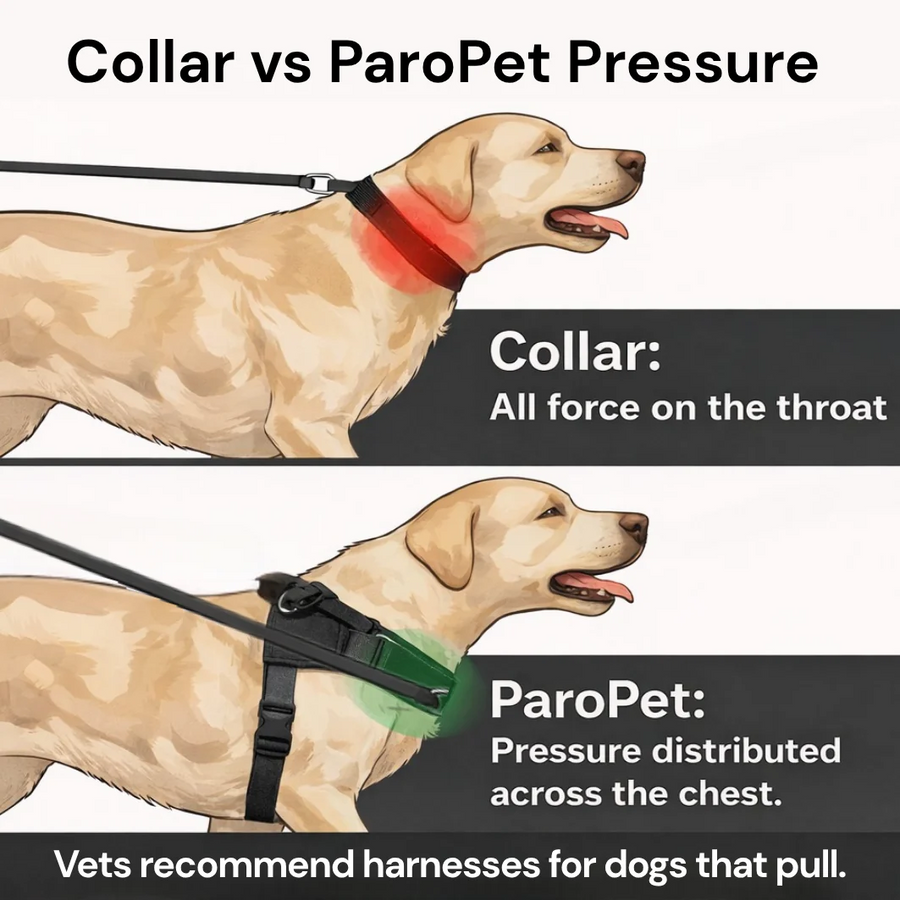
Using a dog harness instead of a dog collar makes it easier to control and manage any dog, even those with leash manners that aren't quite perfect. A harness disperses pressure over a larger area of his body, reducing strain on his neck and back. -
Can This Be Used With A Dog Seatbelt?
That's how we designed it! In the car you want to make sure you use the back leash clip. -
Why Do Dogs Pull On Leashes?
To an excited or energetic dog, humans are simply too slow. In these cases, pulling is natural because they are excited to interact with their environment, and humans simply slow the process down. What's more, if a dog pulls once on the leash and gets where they want to be, they quickly establish that this behavior works. Before long, they may be serial pullers — if it works, why not? -
Can My Dog Hurt Their Neck Pulling On The Leash?
A dog can definitely hurt his neck when yanking on a leash. A dog's neck has numerous nerves and fragile cartilage, and one extreme case of pulling could lead to serious throat damage. An effective counter against this is getting a harness instead of a collar and using obedience training with a no-pull harness to teach a dog to walk beside you on a loose leash. -
Are No-Pull Harnesses Good For Dogs?
No-pull harnesses have many benefits for dogs, making them an excellent choice. They are not punitive or dangerous like e-collars or prong collars. They do not put a strain on your dog's neck. A good no-pull harness simply makes pulling impractical for your dog without posing any risk to their well-being. -
How Do Front-Clip No-Pull Harnesses Work To Prevent Pulling?
A front-clip harness has a D-shaped ring at the front of the dog or chest area. The leash is therefore positioned in front of the dog. This means that if the dog pulls against you, their own action turns them toward you, rather than allowing them to drag you along behind them. -
Are Harnesses Better Than Collars?
Most experts agree that harnesses offer a safer and more comfortable way to walk your dog than a collar. A collar puts a lot of pressure on the neck and throat during walks, while a no-pull harness with its soft padding distributes this weight to the chest and shoulders. It is also easier for a dog to escape from a collar than a harness. -
Do No-Pull Harnesses Stop Dogs From Pulling?
No pull harnesses offer greater control when you are walking your dog. A traditional harness could actually signal your dog to pull harder because the back attachments make it much like pulling a cart or a sled, an activity many dogs enjoy. With a no-pull harness like the Maximutt MaxPro, pulling actually turns the dog around to face you — an essential training tool to help stop this problem behavior safely. -
Why Don't We Recommend Prongs, Chokes, And E-Collars?
Shock collars can cause physical pains such as burns and cardiac fibrillation. These punishment devices can cause psychological stress such as severe anxiety, which could permanently traumatize your dog. Even the best e-collars can malfunction and cause severe electrical burns. -
How Tight Should A Dog Harness Be?
A dog's harness should be tight enough to stay on but not so tight that it hurts your pup. A good rule of thumb is that a well-fitted harness should allow you to fit two fingers under the strap. Check the sizing chart and use a tape measure to find the right size for your dog. -
What Is Your Guarantee And Returns Policy?
We want you to be happy with your purchase. All our products are covered by our Maximutt® Promise — if you or your pet don't get along with our products, you can return them within 90 days for a full refund. Maximutt® products also come with a 12-month guarantee against defects in materials and workmanship.